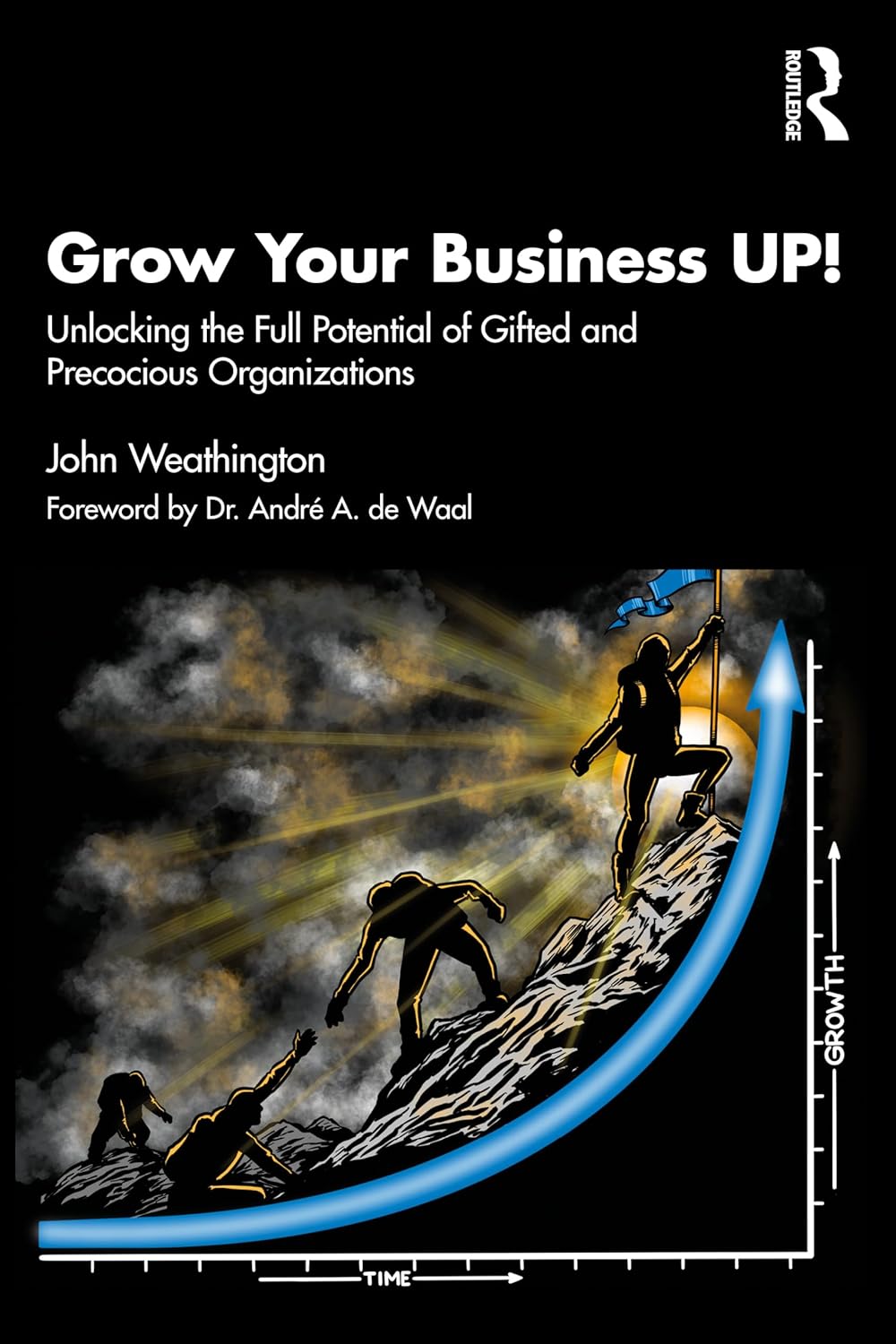
John Weathington
Helps leaders improve individual and organizational performance. In a recent effort, he helped the leaders of a precocious, high-tech firm develop a strategy to accelerate their growth from $1B to $5B in revenue within four years

Adaptability Is Not a Substitute for Preparation
Some surprises are unavoidable. Others raise an important question about management.
The Other Side of Change
Sometimes the biggest changes call for a fresh look at what matters most.

The Power of Culture
The most powerful force in your organization won’t be found on your org chart
California, Maui, Repeat
A few familiar things can make moving between two places remarkably easy.
We’re Family
Sometimes it only takes a few seconds to love someone.
Getting Ready for California
An upcoming surgery has me thinking about how much work it takes to get ready.

What Could Possibly Go Wrong?
The perilous snare of overprotection.

I’ll Meet You at the Gate
One of the little human rituals we lost after 9/11 may finally be returning.
The Fiesta Finally Quit On Us
It started a conversation Mom wasn’t particularly interested in having.
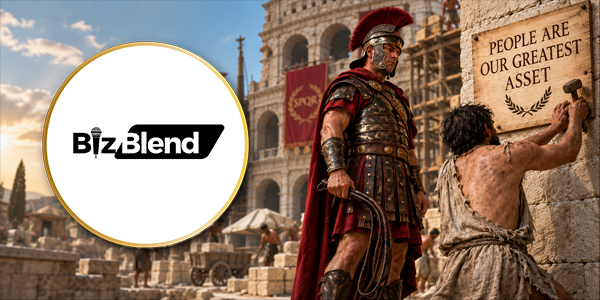
BizBlend Podcast: Building a People Centered Organization
When leaders say their people are their number one asset, do they really mean it? Listen in as Sana and I discuss this and other fascinating topics on the BizBlend Podcast.